Watercolor Illustrations Japan Mask: A Creative Asset for Designers
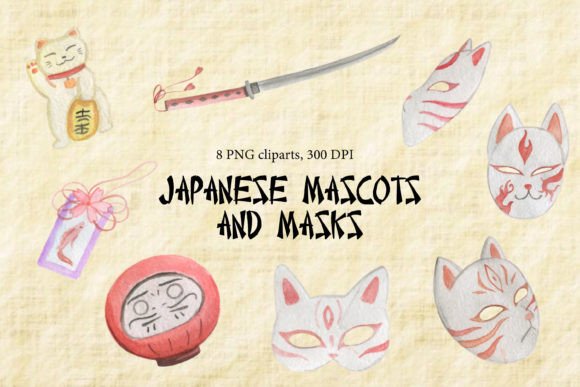
In the world of design, finding assets that are both unique and versatile is a constant search. A set of Watercolor Illustrations Japan Mask and talismans offers a distinct solution, blending traditional cultural motifs with a modern, handcrafted aesthetic. This collection is not just a set of images; it's a toolkit for adding depth, character, and a touch of the exotic to a wide array of projects. The visual style is unmistakable—soft, fluid watercolor washes create a sense of artistry and imperfection that digital vector art often lacks. Each illustration captures the intricate details of traditional Japanese masks, from the fierce visage of a Tengu to the serene expression of a Kitsune, all rendered with the delicate transparency and texture of real paint on paper.
The personality of this style is one of sophisticated craftsmanship. It communicates a brand or project that values tradition, artistry, and a human touch. This isn't a cold, corporate aesthetic; it's warm, inviting, and rich with cultural narrative. For a designer or content creator, these illustrations act as powerful visual anchors. They can set the tone for an entire brand identity, suggesting a story behind the business or product. The appeal lies in their ability to be both bold and subtle. A single mask illustration can dominate a poster or packaging design, while a collection of smaller talismans can create a cohesive and intriguing pattern for stationery or web backgrounds.
Practical Applications Across Creative Projects
The true value of a high-quality design asset is measured by its utility. This set of 8 PNG files, provided at 300dpi and a generous 2000x2000 pixel resolution, is engineered for practical use. The transparent backgrounds are a critical feature, allowing these Watercolor Illustrations Japan Mask designs to be seamlessly layered over any color, texture, or photograph. This makes them incredibly flexible for both digital and physical products.
For digital projects, these illustrations are perfect for creating standout social media graphics. A mask can serve as a compelling visual for a blog post header, an Instagram story background, or a unique element in a digital ad. Web designers can use them to add cultural flair to a travel site, a sushi restaurant's online menu, or an artisan's portfolio. In editorial design, they can break up long blocks of text in a magazine or e-book, providing visual interest and reinforcing a theme. The files are compatible with most computer programs, from Adobe Photoshop and Illustrator to Canva and Procreate, ensuring they fit into your existing workflow without a hitch.
In the realm of print and physical products, the applications are equally broad. The high resolution ensures crisp, clear printing on everything from paper products like wedding invitations, greeting cards, and notebooks to custom merchandise such as t-shirts, tote bags, throw pillows, and ceramic mugs. For crafters and hobbyists, these illustrations are a goldmine for scrapbooking, creating unique stickers, or designing one-of-a-kind art prints. Entrepreneurs and small business owners can leverage them for packaging design, making their products stand out on the shelf with a memorable and artistic label.
Integrating These Illustrations into Your Brand and Workflow
Choosing the right visual asset is a strategic decision. Before incorporating these Watercolor Illustrations Japan Mask designs, consider your project's core message. Does the theme of Japanese folklore, protection, and artistry align with your brand's story? If you're aiming for an identity that feels authentic, culturally aware, and handcrafted, this style is a strong fit. It works exceptionally well for brands in the wellness, travel, culinary, artisanal goods, and creative services spaces.
A key consideration is font pairing. To maintain visual hierarchy and readability, pair these detailed illustrations with clean, simple typefaces. A modern sans serif font for body text will provide a clear contrast, ensuring your message isn't lost. For headlines, you could use a complementary serif font to echo a sense of tradition, or a simple script font sparingly to add a touch of elegance. The goal is balance—the illustration is the star, and the typography should support it, not compete with it.
Evaluate the included set carefully. With 8 distinct illustrations, you have a small library to work with. Look for variety in expression and form. One mask might be perfect for a logo design, while a collection of smaller talismans could create a beautiful repeating pattern for a brand's secondary design assets. Always test the illustrations in context. Place them on your intended background colors, next to your chosen fonts, and at the scale you plan to use them. This practical testing ensures the final design feels cohesive and professional.
Finally, understand the licensing. This asset is provided for both personal and commercial use, which is a significant advantage. It means you can confidently use these illustrations in client work, on products for sale, and across your own marketing materials without legal ambiguity. This clarity allows you to build a consistent brand identity across multiple touchpoints, from your website to your product packaging, using the same high-quality, culturally rich visual language. In a crowded marketplace, such a distinctive and well-executed set of design assets can be the detail that elevates a project from ordinary to memorable.