Exploring Cracks Illustrations: A Creative Asset Guide
Visual Characteristics and Design Personality
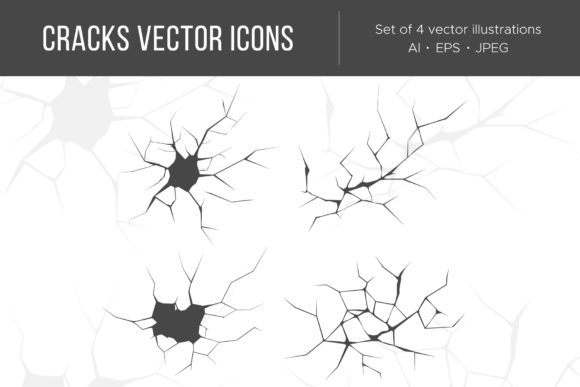
There is a specific utility in design that often gets overlooked until you need it: the ability to break things visually. When we talk about Cracks Illustrations, we aren’t discussing a font in the traditional sense of typography, but rather a specialized set of vector assets that function with the same precision and impact as a headline typeface. This collection is designed to simulate the organic, chaotic beauty of fracture lines, shattered glass, and distressed surfaces. Visually, these illustrations possess a raw, gritty personality. They range from hairline stress fractures to deep, gaping breaks, offering a texture that suggests age, impact, or tension.
The appeal of Cracks Illustrations lies in their versatility as a design asset. Unlike a standard serif font or sans serif font, which conveys tone through letterforms, these vectors convey emotion through destruction and wear. They fit perfectly into the modern typography trend where designers layer textures to create depth. Whether you are working on a logo design that needs to look rugged or a poster that needs a sense of urgency, these illustrations provide that visual shorthand for "something happened here." They are not just random scribbles; they are carefully crafted paths that mimic the physics of breaking materials, giving your work an authentic, handcrafted feel.
Strategic Applications Across Creative Projects
Understanding where to deploy Cracks Illustrations is key to maximizing their value. For brand identity projects, particularly those targeting industries like extreme sports, construction, urban fashion, or even cybersecurity (symbolizing "breaking" defenses), these assets are invaluable. Imagine a fitness brand logo where the typography looks like it has been smashed through a wall; the cracks add immediate intensity and drama. In packaging design, particularly for products like craft coffee, artisanal spirits, or rugged outdoor gear, a subtle crack texture can elevate the product from looking sterile to feeling tangible and real.
Beyond branding, the utility extends heavily into editorial design and web design. In a magazine layout or a blog post about urban exploration or history, using these illustrations as background textures or divider elements can significantly boost reader engagement. They break the monotony of clean grids. For social media graphics, where grabbing attention in a split second is crucial, a fractured overlay on an image can create a sense of urgency or a "breaking news" aesthetic. Because they are vectors, they scale infinitely, meaning they work just as well on a massive billboard as they do on a business card or a mobile app interface without losing quality.
Integrating Texture with Typography
One of the most powerful ways to use Cracks Illustrations is in conjunction with a premium font. Think of the illustrations as a partner to your chosen typeface. If you are using a bold display font, layering crack vectors over the letterforms can create a "destructive typography" effect that is very popular in poster art and music album covers. This technique works exceptionally well with heavy, blocky fonts, but can also create interesting contrast with a delicate script font, suggesting something beautiful that has been broken.
When considering font pairing, don't just look at other letters. Consider how the jagged, organic lines of the cracks interact with the geometric precision of a modern typography set. For example, pairing a clean, minimalist sans-serif with aggressive crack overlays creates a dynamic tension between order and chaos. This is a practical approach for creative font usage where the goal is to evoke a specific mood. If you are designing a horror movie poster or a gritty video game interface, the cracks serve as the bridge between the imagery and the text, unifying the composition.
Practical Usage and Licensing Considerations
Before integrating these assets into your workflow, practical evaluation is necessary. First, check the file formats included in the set. A robust set of design assets should include AI, EPS, and SVG formats to ensure compatibility with Adobe Illustrator and other vector software. Since these are intended for commercial font and asset usage, you must review the licensing. Does the license allow for use in print-on-demand services? Can you use them in a client’s logo that will be trademarked? These are vital questions for freelancers and agencies.
When testing these illustrations, apply them to a mock-up of your actual project. Do not just look at them in isolation. Place a crack texture over your web design mockup to see if it interferes with readability. While a heavy crack texture looks cool, it should never make your body copy illegible. Use them strategically as spot illustrations or background elements where text contrast remains high. For packaging design, print a test sheet to see how the fine lines of the vector hold up on physical material like cardboard or glass labels. Sometimes, what looks sharp on screen needs slight thickening for print production.
Enhancing Visual Hierarchy and Engagement
Ultimately, the goal of using assets like Cracks Illustrations is to guide the viewer's eye and establish a hierarchy. A crack naturally draws attention because it implies movement and damage. You can use a cluster of cracks to frame a headline or a call-to-action button in a digital layout. This draws the eye inward, focusing the user on the most important information. In social media graphics, this can lead to higher click-through rates because the visual disruption stops the scroll.
For small business owners and content creators, these illustrations offer a way to create high-impact visuals without needing advanced illustration skills. Instead of trying to draw a realistic shattered effect by hand, you drag and drop a pre-made vector. It saves time and ensures a level of polish that might be difficult to achieve manually. Whether you are crafting a flyer for a local event, designing merchandise, or building a brand from the ground up, incorporating these textured elements adds a layer of professionalism and intentionality to your work. It signals that you care about the details, transforming a flat design into a tactile experience. By mastering the use of Cracks Illustrations, you add a potent tool to your creative arsenal that transcends the limitations of standard typography.